
Renewable energy (RE) refers to energy sources that are inexhaustible within the human time horizon. These sources, such as solar, wind, water, biomass, and geothermal energy, play a crucial role in efforts to reduce dependence on fossil fuels that contribute to pollution and climate change.
Types of Renewable Energy:
Solar energy: The use of the sun’s rays through solar cells and solar thermal systems to produce electricity or heat. Efficiency depends on solar radiation, but technological advances have made solar energy more accessible, even in areas with less sunlight.
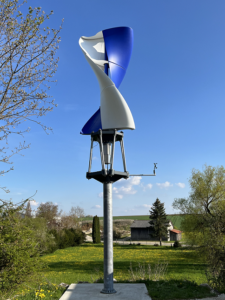
Wind energy: Wind turbines convert the kinetic energy of the wind into electricity. Denmark has been a pioneer in wind energy and continues to expand its capacity, both onshore and offshore.
Hydropower: Hydropower is harnessed through dams and streams, where the movement of water drives turbines to produce electricity. Although geographical conditions may limit its use, hydropower is a stable source of energy.
Geothermal Energy: Harnessing the Earth’s internal heat for energy production. Particularly effective in areas with high geothermal activity, but technological advances are enabling wider use.
Biomass: Organic materials such as wood, waste, and agricultural products can be converted into energy through combustion or biogas production. Sustainable management is necessary to minimize environmental impact.
Wave Energy: Harnessing the power of ocean waves for energy production. Although the technology is still under development, it has potential as a future energy source.
Renewable Energy in Denmark:
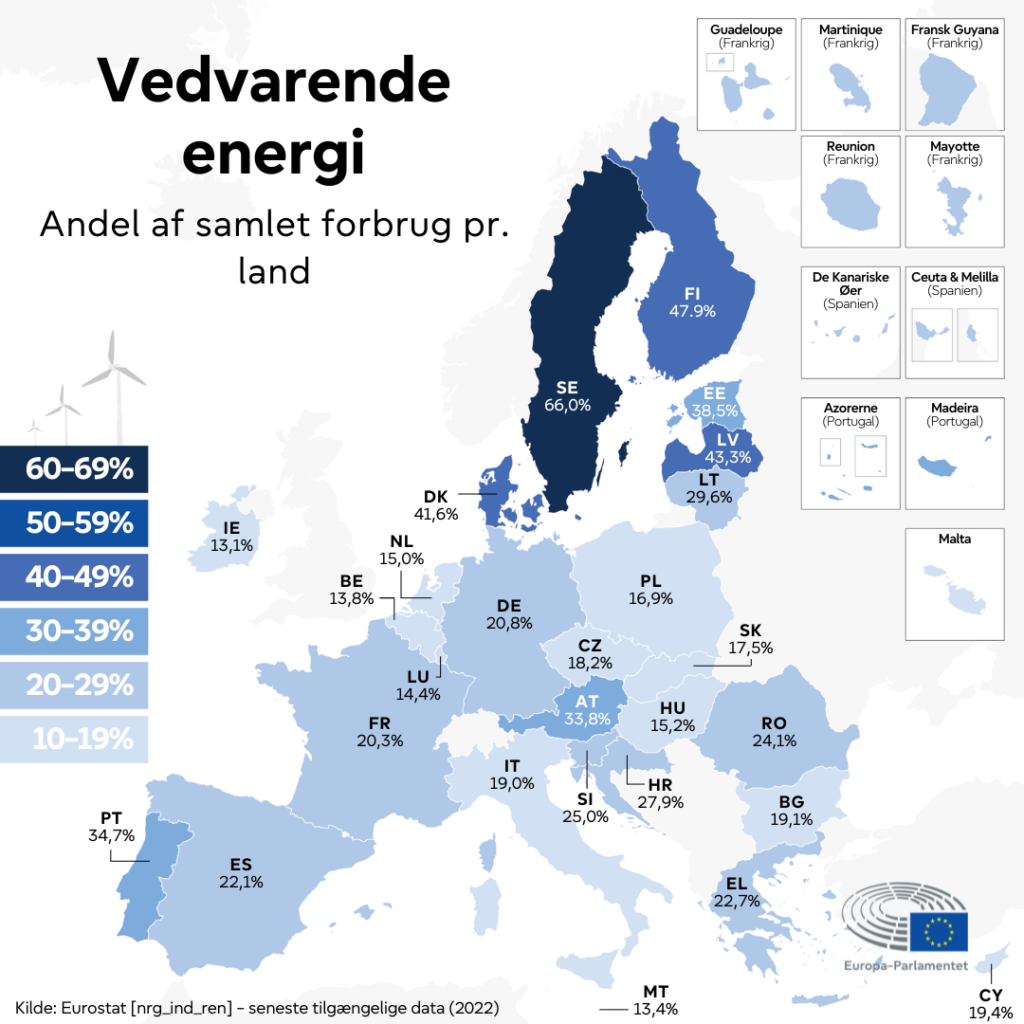
Denmark has made significant progress in renewable energy. In 2023, renewable energy sources accounted for 82.1% of the country’s electricity supply, an increase of 3 percentage points from the previous year citeturn0search10. This development supports Denmark’s ambition to become independent of fossil fuels.
Global Trends:
Globally, significant progress has also been made. In 2023, nearly 510 gigawatts (GW) of new renewable energy capacity was added, marking a 50% increase compared to previous years. Solar energy accounted for three-quarters of this growth, driven in particular by China’s massive investments. Forecasts indicate that renewable energy sources will cover 35% of the world’s electricity consumption by 2025.
Advantages and Disadvantages of Renewable Energy:
Advantages:
Exhaustible Sources: Renewable energy sources are in principle inexhaustible and can be supplied continuously as long as natural resources exist.
Environmental Benefits: Renewable energy has significantly lower CO₂ emissions and environmental impact compared to fossil fuels, which is crucial in the fight against climate change.
Falling Costs: Demand for renewable energy is increasing, which has led to high competition and lower costs for green energy.
Job Creation: The development of renewable energy technologies creates jobs in research, production, and installation of energy equipment.
Disadvantages:
Unpredictability: Renewable energy is dependent on weather conditions, which means that energy production can vary. For example, solar and wind energy can be less efficient during periods of low sun or wind.
Energy Storage: Technologies for efficient energy storage are still under development, and the large amount of energy produced at certain times can be difficult to store and use at a later time.
Large Investments: The transition to renewable energy requires large investments in infrastructure and technology, which can be a financial challenge.
Space Requirements: The installation of renewable energy sources such as solar cells and wind turbines requires large areas, which can be a problem in densely populated regions.
Conclusion:
Renewable energy is crucial for the future energy supply and a key factor in combating climate change. While there are both advantages and challenges associated with renewable energy, both Danish and global trends show that the transition to green energy is inevitable. Denmark has been a pioneer, and with the continued growth in renewable energy production, sustainable energy will play an increasingly important role in both national and global energy solutions.