
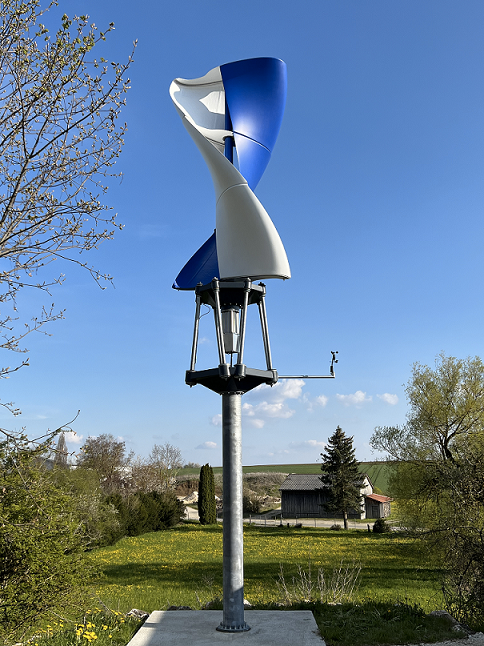
Utilization of Micro Wind for SMEs and Private Homes
Introduction
As the world shifts toward sustainable energy solutions, micro wind turbines and solar panels are becoming popular choices for small and medium-sized enterprises (SMEs) and private homes. This blog explores the benefits of micro wind turbines, compares them with solar energy, and examines the synergies of combining these technologies with battery storage systems.
What Are Micro Wind Turbines?
Micro wind turbines are small-scale wind energy systems typically used to generate electricity in residential or small business environments. Vertical-axis wind turbines (VAWTs) are a specific type of micro wind turbine designed to capture wind energy from all directions, making them ideal for urban and suburban areas where wind directions can be unpredictable.
Advantages of Micro Wind Turbines
- Space Efficiency: VAWTs can be installed in limited spaces, including rooftops.
- Lower Wind Speed Requirements: These turbines can generate power at lower wind speeds, making them suitable for various geographical areas.
- Reduced Noise: VAWTs are generally quieter than traditional horizontal-axis turbines, minimizing noise pollution.
Comparison of Micro Wind and Solar Energy
Efficiency and Energy Production
- Solar Panels: Solar panels have an average efficiency of 15–20%. They generate electricity during the day, with peak production typically at midday.
- Micro Wind Turbines: Micro wind turbines have variable efficiencies, often between 30–40%, and can operate 24/7 as long as there is wind, offering a continuous energy supply.
Combining Micro Wind, Solar Energy, and Battery Storage
The combination of micro wind turbines, solar panels, and battery storage creates a robust renewable energy system that maximizes energy production and reliability.
Advantages of Hybrid Systems
- Energy Reliability: Combining solar and wind ensures energy production regardless of weather conditions. Wind can generate electricity at night and on cloudy days when solar panels are less effective.
- Grid Independence: A hybrid system with battery storage allows users to store excess energy, reducing reliance on the grid and providing backup during power outages.
- Cost Savings: Over time, the combined system can lower electricity bills and offer a quicker return on investment.
Energy Production Day and Night
Let’s visualize how solar energy and micro wind turbines complement each other throughout the day:
(Insert Graph Here)
This graph shows how solar energy peaks during midday, while micro wind turbines can generate power throughout the day, including at night. Combining both technologies ensures a steady energy supply.
Energy Production Across Different Months
Now, let’s explore how energy production varies over different months:
(Insert Seasonal Graph Here)
This graph illustrates seasonal variations in solar and wind energy production. Solar energy tends to be higher in summer, while wind energy may be more consistent year-round, depending on the location. Together, they provide a balanced energy output.
Solar energy production is higher during the summer months when there is more daylight, while micro wind turbines can maintain a more consistent energy output throughout the year. This variation helps balance the overall energy supply year-round.
Conclusion
Micro wind turbines, especially when combined with solar panels and battery storage, offer a compelling solution for SMEs and private homes looking to transition to renewable energy. These hybrid systems provide consistent energy production, cost savings, and increased independence from the grid. As technology advances and costs decrease, the adoption of such systems is likely to grow, contributing to a more sustainable future.
By leveraging the strengths of both wind and solar energy along with efficient energy storage, businesses and homeowners can achieve a balanced, reliable, and eco-friendly energy solution.